








Suppliers of Natural Products For Health & Wellness
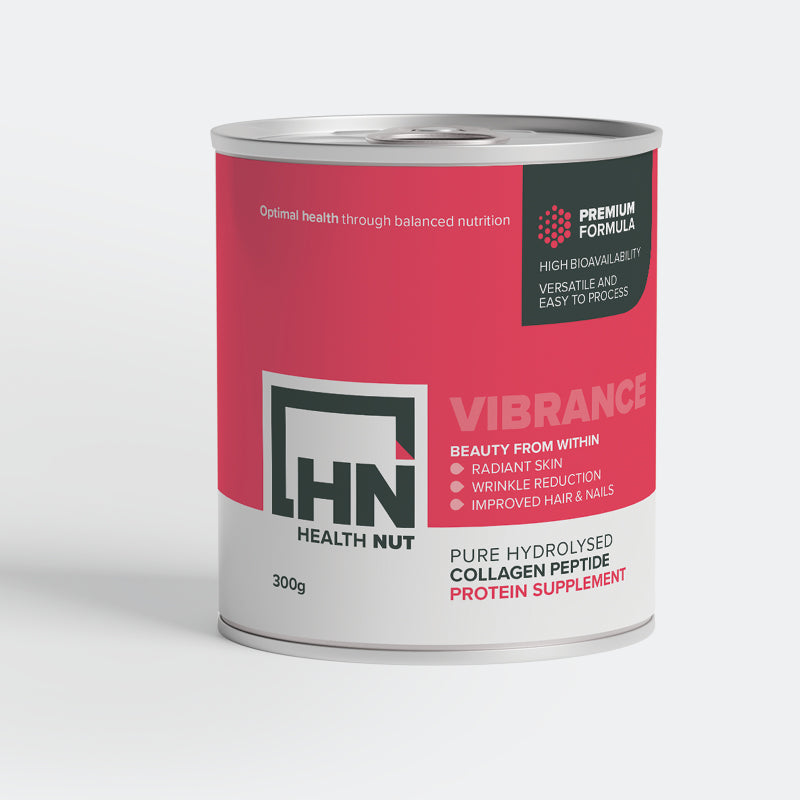
Health Nutrition was founded with a desire to improve quality of life for all. Our leading product – COLLAGEN POWDER – has changed the lives of many of our customers since we first introduced it in South Africa in 2016. We believe in nourishing our body and mind using superfoods, nutrients and natural ingredients provided to us in abundance, without harming our environment.
See the full range of products from Health Nutrition.
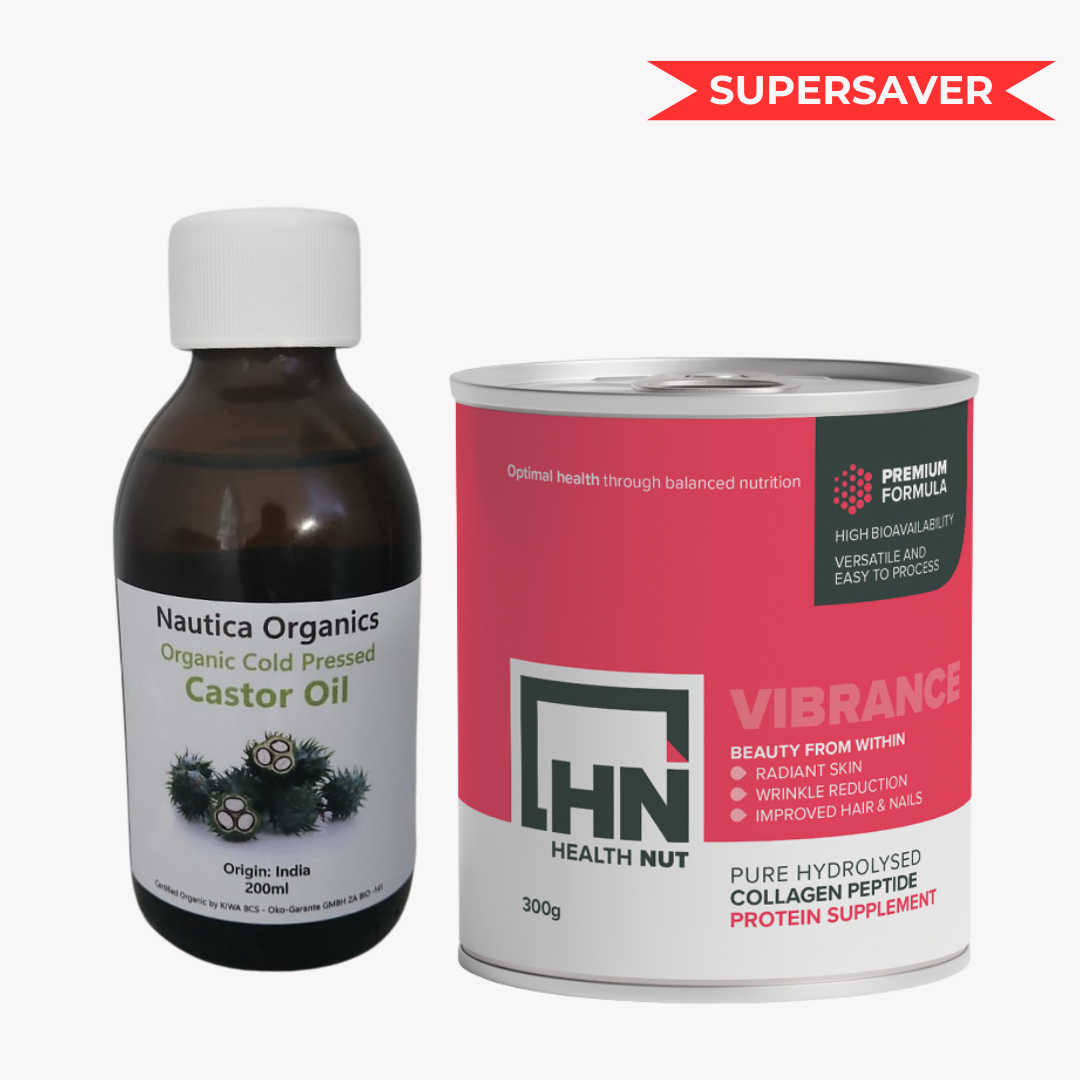
SPECIAL OFFERS
Our specials update every month and will guarantee you the best deals on our health products. Come grab yours today!
SHIPPING INFO
We charge a flat R110.00 shipping fee to all main centers & R160.00 to outlying areas. All orders over R700.00 are FREE, anywhere in South Africa.
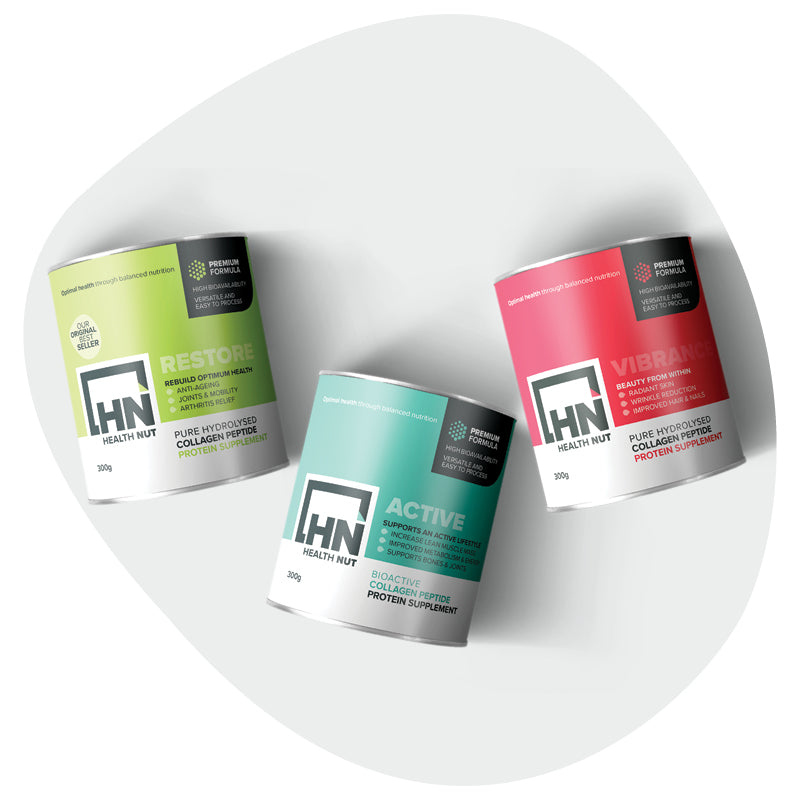
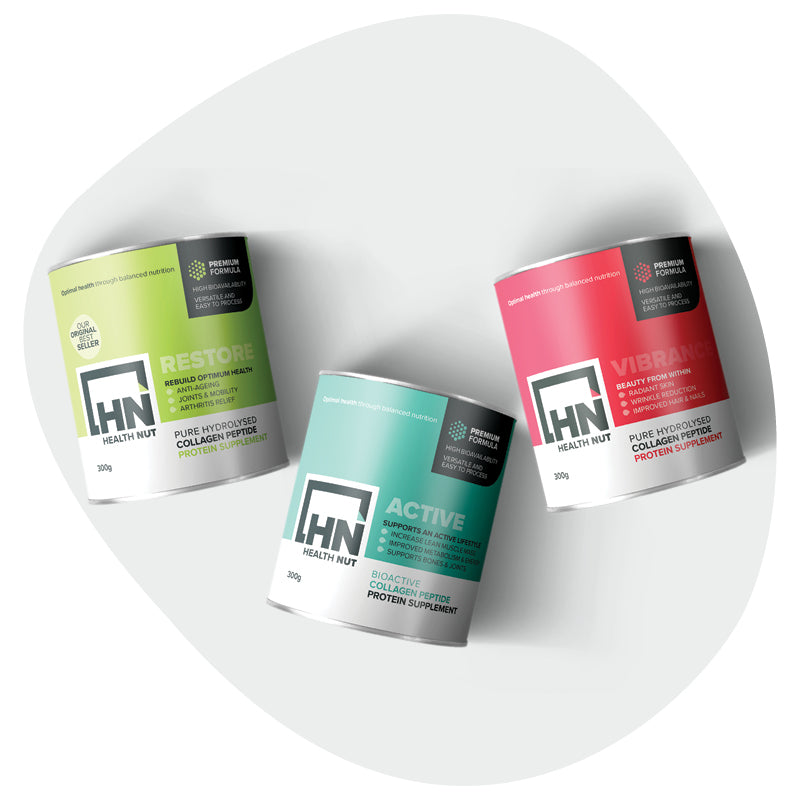
OUR RANGE
View our full range of health care products which range from decadent soaps to general health supplements and even pet health products.

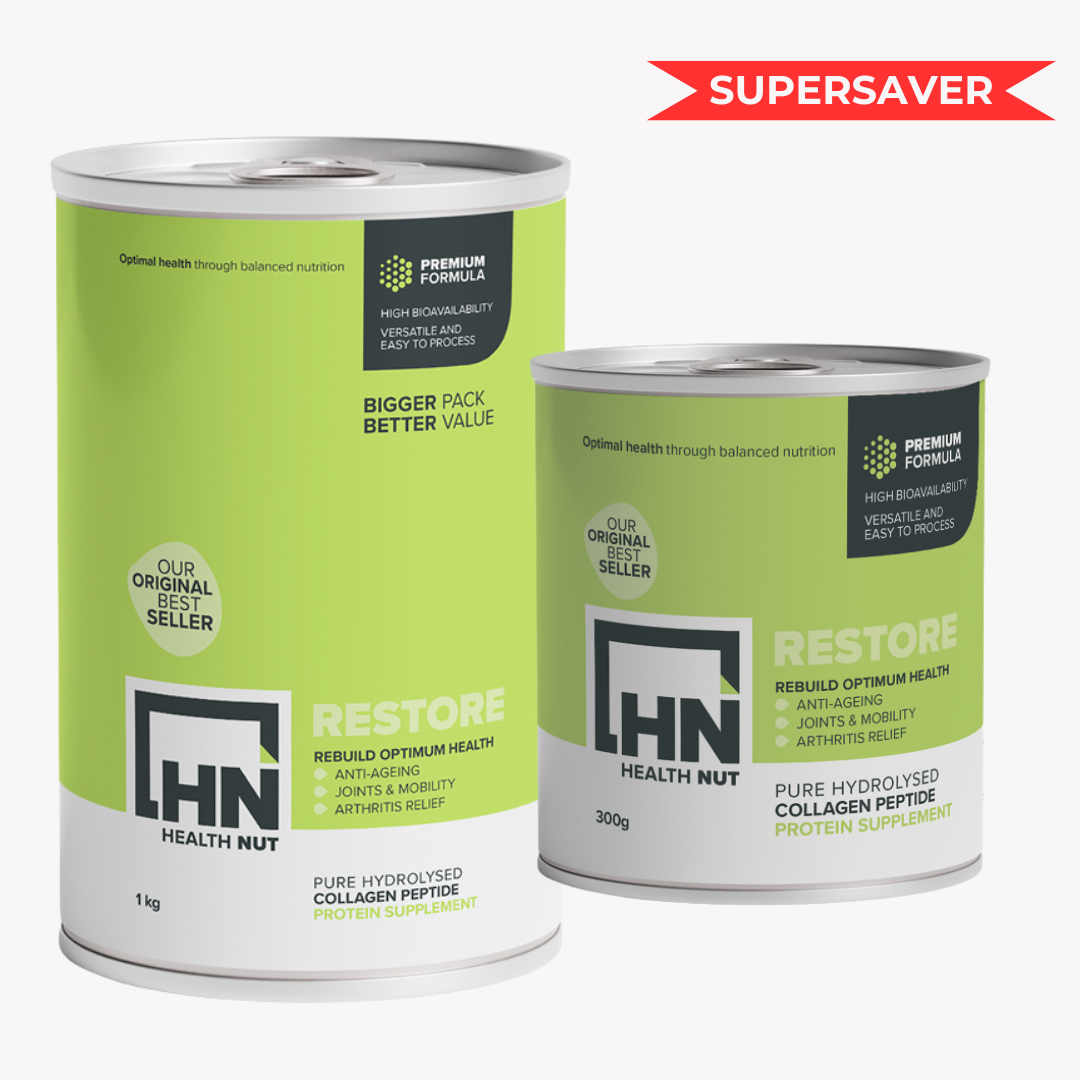


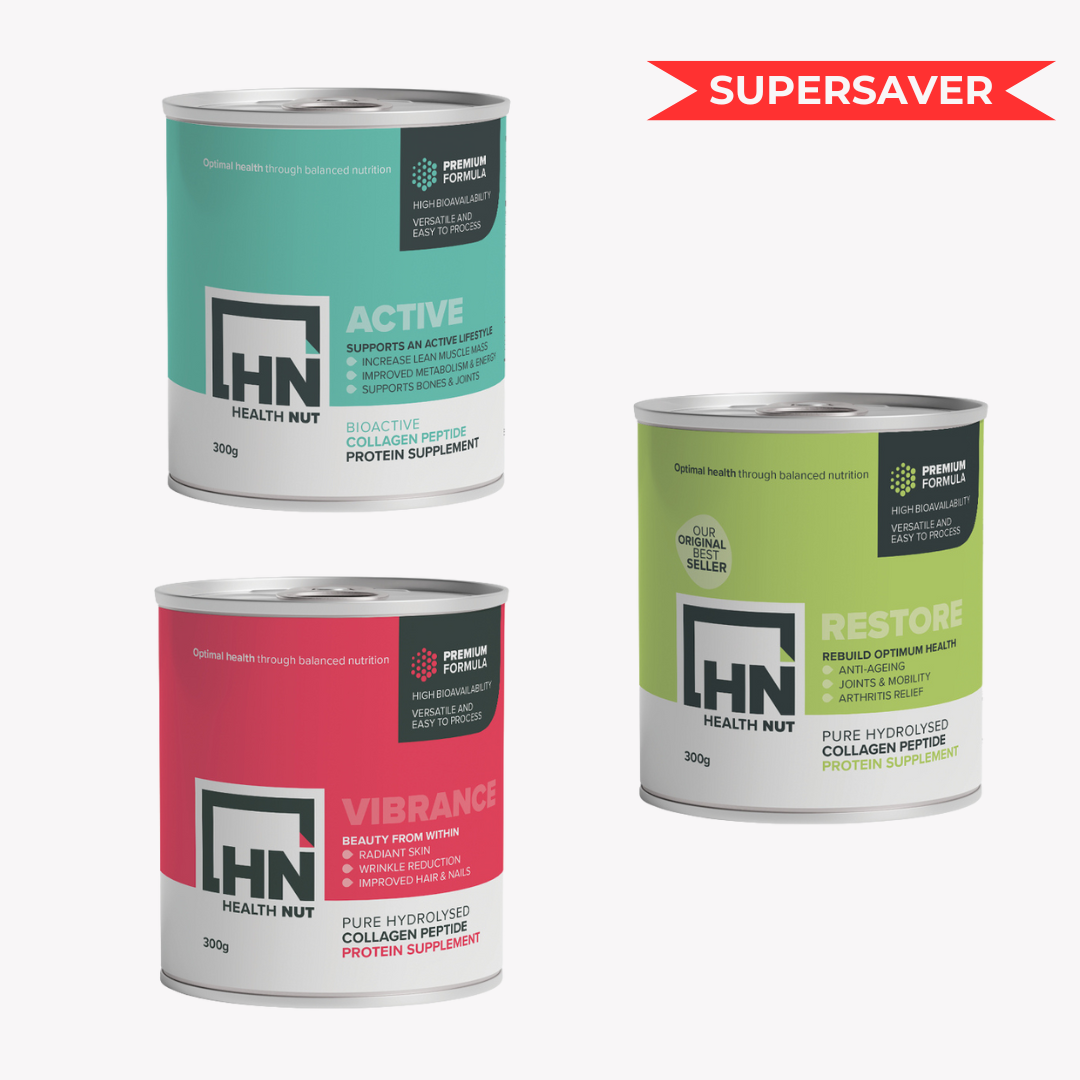

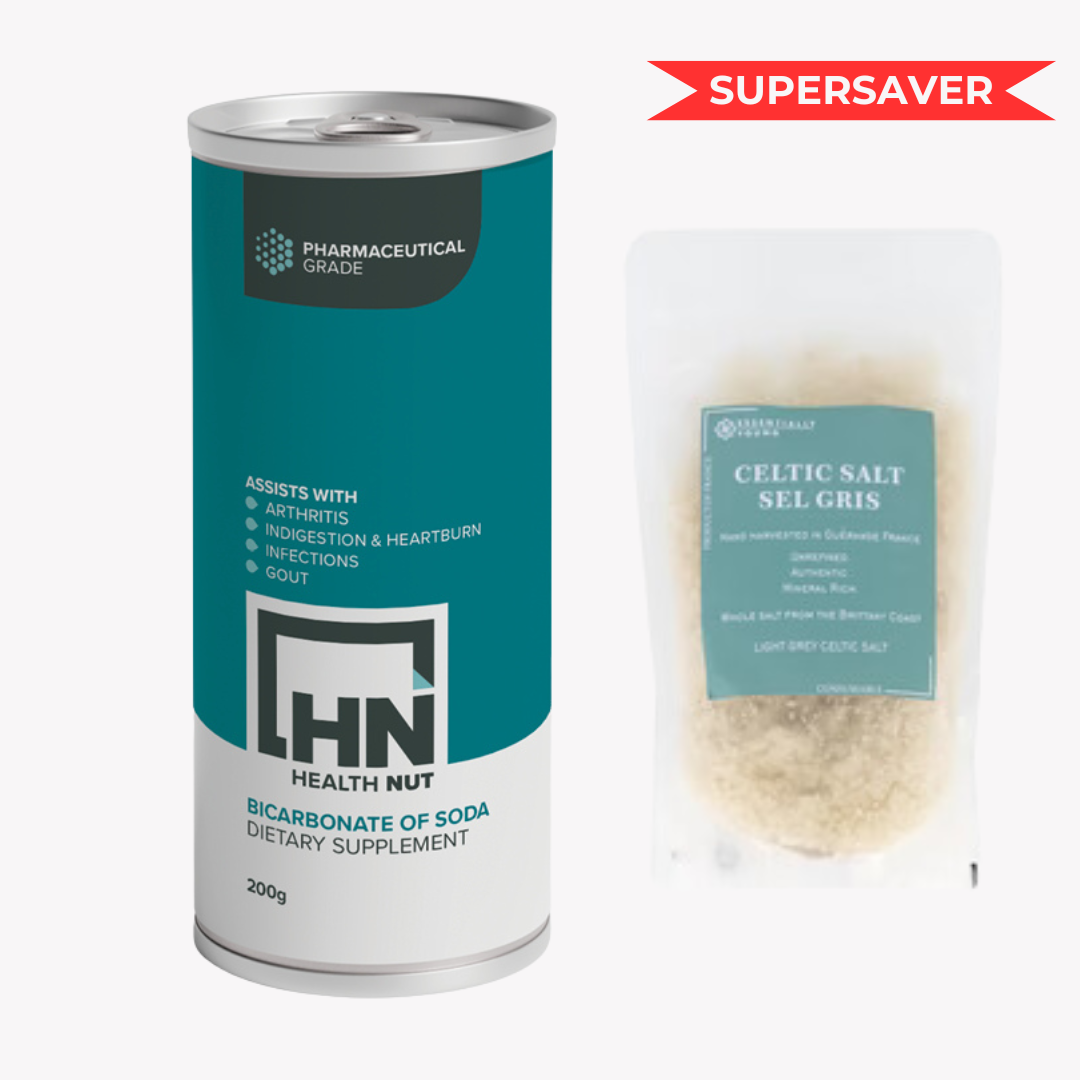

Subscribe to our weekly newsletter to receive recipes, coupons and more!


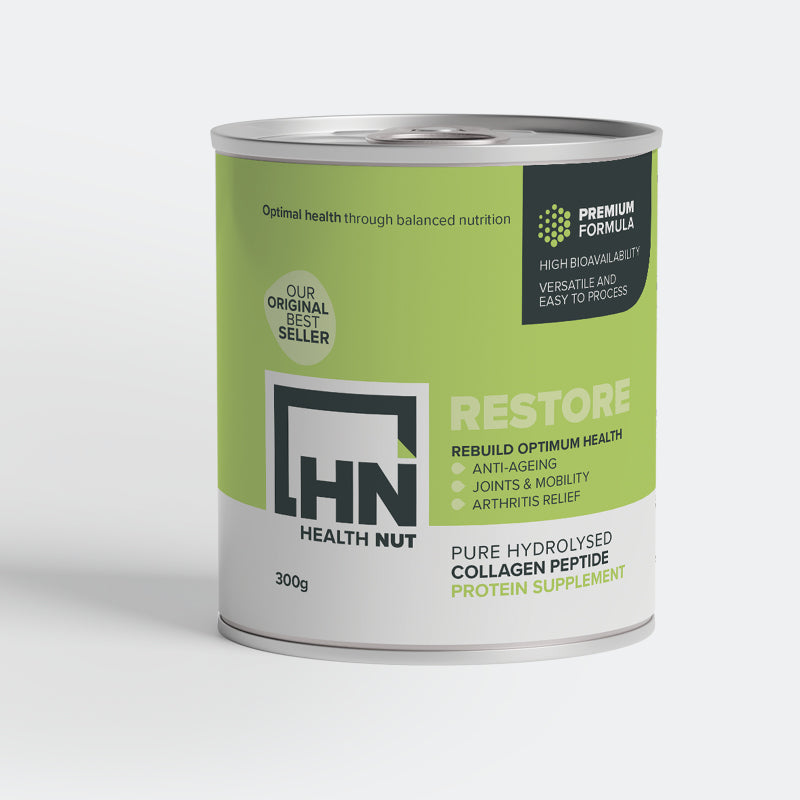
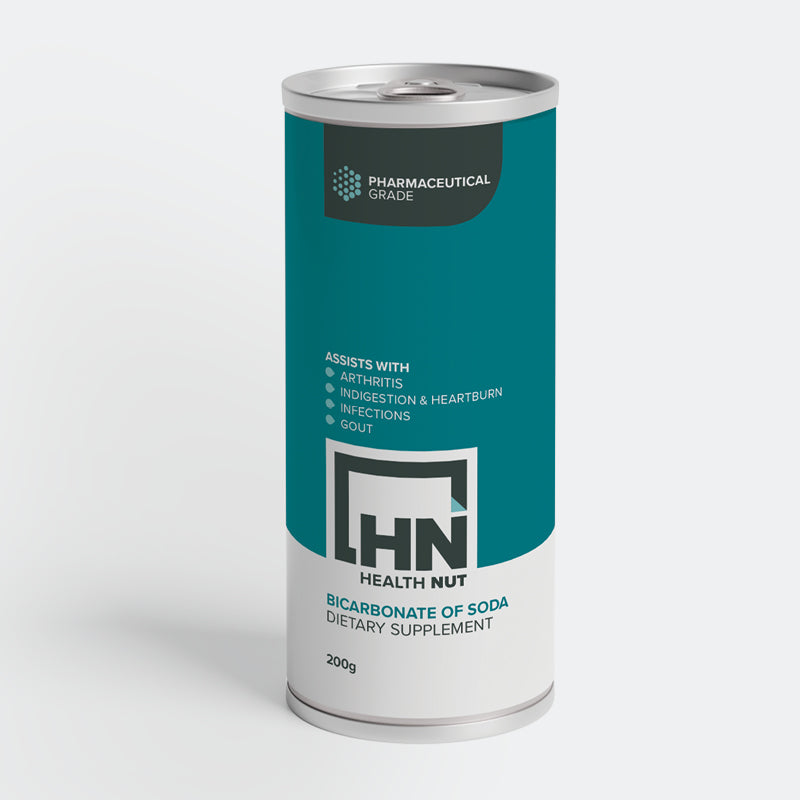
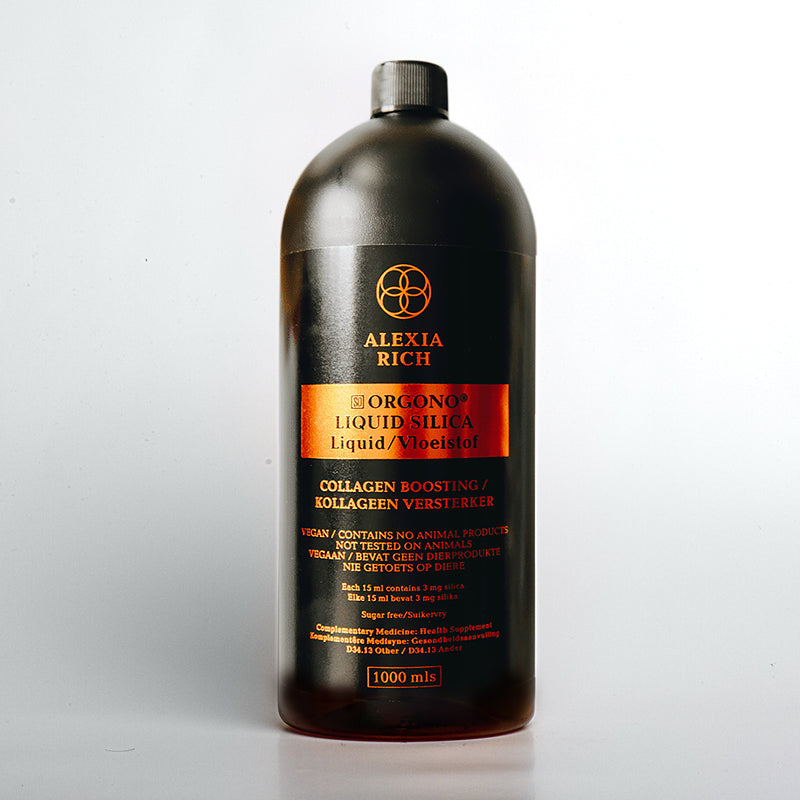
PRODUCTS WE KNOW YOU WILL LOVE




Customer Testimonials
In June 2018 I had a shoulder operation. I then started using "Health Nut" collagen as I was experiencing periodic pain with poor shoulder/arm movement... The improvement I had was significant, especially with my shoulder movement. Thank you for a wonderful product.
— Edith Hall
I love this product and have been using it for years! It’s obvious, how it helps my hair grow. The most important effect however is how it assists with my joint mobility and recovery. I do fascial movement for a living and it greatly supports our connective tissues.
— Christien Mann
I've used pet hydrolyzed gelatine for my bull Terrier for a while now. He was diagnosed with hip dysplasia and arthritis. This product has helped a lot! Always on my list. The team always go out of their way to help. Thank you Health Nut!
— Natasjha Swanepoel